

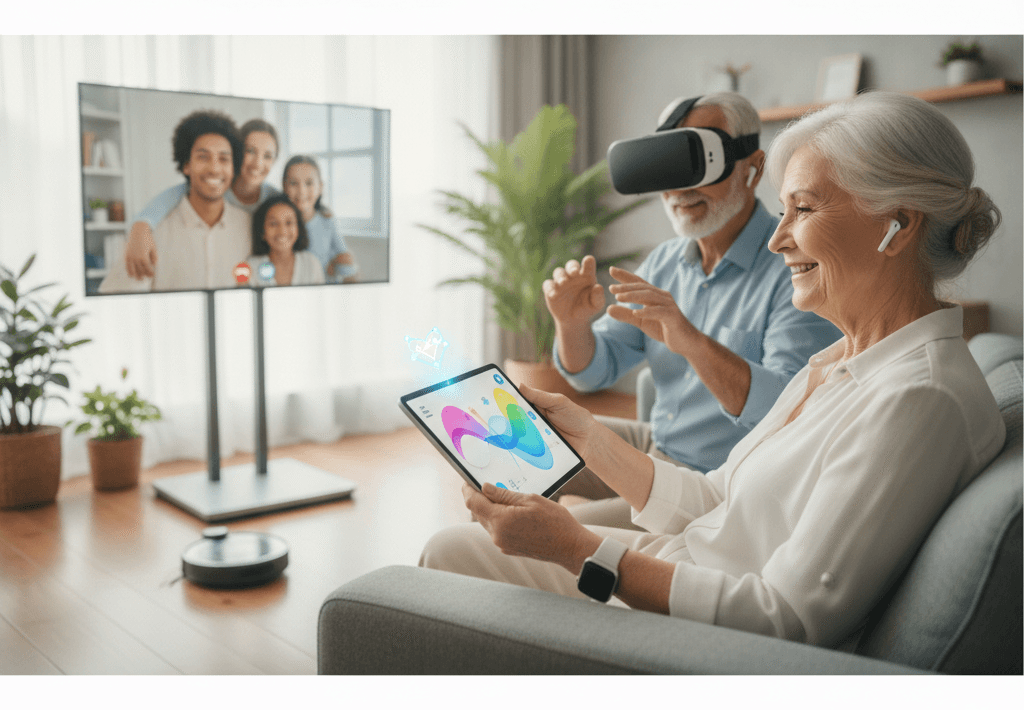
Life for seniors today looks different than it did for previous generations. We are living longer and often desire to maintain our independence for as long as possible. This is where modern technology steps in as a powerful ally, reshaping what it means to age gracefully and actively.
I believe that technology is not just for the young. It offers incredible opportunities for older adults to enhance their daily lives. We can see its impact in countless ways, from staying connected with loved ones to managing health and ensuring safety around the home.
My goal is to explore how these innovations lead to enhanced senior well-being through modern technology. I want to show you the practical benefits that make a real difference, helping seniors live fuller, more secure, and more engaged lives.
Staying Connected and Engaged with Digital Tools
One of the biggest concerns for seniors is the risk of isolation. Family members may live far away. Friends might not be as mobile as they once were. But modern digital tools are changing this reality, helping seniors maintain vital connections and discover new communities.
I have seen firsthand how much joy a simple video call can bring. It helps bridge physical distances. Many older adults now regularly use smartphones or tablets to chat face-to-face with grandchildren. They can see friends who live across the country.
Beyond video calls, social media platforms and online forums offer opportunities for connection. Seniors can join groups based on their hobbies. They can find communities that share their interests. This helps reduce feelings of loneliness and gives them a sense of belonging. It enriches their social circles and keeps their minds active through regular interaction.
Bridging Distances with Video Calls
Video calling applications like Zoom FaceTime and Google Meet have become indispensable. These tools are often straightforward to use. They allow for real-time visual interaction. This means seniors can actively participate in family gatherings. They can celebrate birthdays remotely.
These calls also provide peace of mind for both seniors and their families. Loved ones can see that an older relative is doing well. A quick check-in with a visual cue can be incredibly reassuring. I recommend setting up a dedicated tablet with pre-configured contacts to make this process as simple as possible.
Online Social Spaces for Seniors
Social media is not just for sharing photos. It has become a vibrant hub for niche communities. There are Facebook groups for gardeners. There are online forums for bridge players. Seniors can find spaces where they feel understood and valued.
These platforms allow for ongoing conversations. They help members share advice and support each other. This digital interaction keeps minds sharp. It also fosters a sense of purpose. Seniors can even teach others based on their life experiences, building new friendships in the process.
Smart Home Solutions for Comfort and Safety
Our homes should be sanctuaries. They should feel safe and comfortable. Modern smart home technology makes this more achievable for seniors. These systems offer control and peace of mind.
Imagine lights that turn on automatically when you enter a room. Consider thermostats that adjust to your preferences without a touch. Voice assistants like Amazon Echo or Google Home respond to simple commands. They can set reminders. They can play music. They can even make calls.
These tools are not just convenient. They significantly enhance safety. They prevent falls by illuminating dark hallways. They alert caregivers to unusual activity. Many of these devices also contribute to enhanced senior wellness technology. They provide an extra layer of protection, allowing seniors to live independently with greater confidence.
Automating Daily Routines
Smart lighting systems are a fantastic example of simple automation. They can be programmed to turn on at dusk. They can activate with motion detection. This reduces the need to fumble for light switches in the dark. It lowers the risk of trips and falls which is a major concern for seniors.
Smart thermostats learn household preferences over time. They adjust heating and cooling automatically. This ensures a comfortable living environment. It also helps manage energy costs. These devices empower seniors to control their home environment effortlessly.
Enhancing Home Security and Safety
Security measures are greatly improved with smart home technology. Video doorbells let seniors see and speak to visitors without opening the door. Smart locks can be managed remotely by family members. This provides convenient access for caregivers or in emergencies.
Emergency response systems are also more sophisticated now. They come with discreet wearable buttons. Some even include fall detection capabilities. If a fall is detected, the system can automatically alert emergency services or family contacts. This proactive approach to safety gives everyone more peace of mind.
Health Monitoring and Management at Your Fingertips
Maintaining health becomes even more important as we age. Modern technology offers powerful tools for proactive health management. It enables closer collaboration with healthcare providers. This helps seniors stay on top of their well-being.
I believe that wearables are a game changer. These devices are worn on the wrist. They track vital signs and activity levels throughout the day. This data can be shared with doctors. It helps them monitor long-term health trends. It can flag potential issues early on.
Telehealth services also allow for virtual doctor visits. This means fewer trips to the clinic. It provides easier access to medical advice. Medication reminder apps help ensure prescriptions are taken on schedule. This integrated approach to health technology keeps seniors healthy and informed.
Wearable Devices for Continuous Health Tracking
Smartwatches and fitness trackers are more than just gadgets. They are personal health assistants. They can monitor heart rate. They track sleep patterns. They count steps taken. Some even detect irregular heart rhythms.
This continuous monitoring provides valuable insights. It empowers seniors to make informed decisions about their activity and rest. Family members can also access this data. This allows them to offer support and encourage healthy habits. It is a simple way to stay proactive about physical well-being.
Telehealth and Virtual Doctor Visits
Telehealth has revolutionized healthcare access. Seniors can now consult with doctors from the comfort of their homes. This is especially helpful for those with mobility issues. It also benefits people who live in rural areas. They can connect using a computer or tablet.
These virtual appointments cover routine check-ups. They manage chronic conditions. They even offer mental health support. Telehealth reduces exposure to germs found in clinics. It also saves time and effort associated with travel. It is a convenient way to receive quality medical care.
Entertainment and Cognitive Stimulation through Technology
A fulfilling life includes plenty of enjoyment and mental activity. Technology provides seniors with a vast array of entertainment options. It also offers powerful tools for cognitive stimulation. This helps keep their minds sharp and engaged.
Streaming services deliver movies and TV shows right to their living rooms. E-readers make it easy to access countless books. They can adjust text size for comfortable reading. Beyond entertainment, there are many brain-training apps. These are designed to challenge and improve cognitive functions like memory and problem solving.
I find that these resources are crucial for maintaining a high quality of life. They fight boredom. They also prevent cognitive decline. Staying mentally active is just as important as staying physically active. Technology makes both much more accessible for seniors.
Endless Entertainment Options
The days of limited television channels are long gone. Streaming platforms like Netflix Hulu and YouTube offer endless content. Seniors can watch classic movies. They can discover new documentaries. They can even follow their favorite hobbies with instructional videos.
Audiobooks and podcasts are also very popular. They provide engaging stories and discussions. This is great for those with vision challenges. It is also perfect for listening while relaxing. These options ensure there is always something interesting to engage with.
Mental Fitness with Digital Brain Games
Keeping the brain active is vital for cognitive health. Many apps are specifically designed for this purpose. They offer puzzles memory games and logic challenges. These exercises are fun. They also help improve mental agility.
Platforms like Lumosity or CogniFit provide personalized training programs. They track progress over time. Regular use can lead to improvements in attention span. It can also enhance problem-solving skills. These digital tools make brain exercise enjoyable and effective.
Simplifying Daily Tasks with Assistive Technology
Maintaining independence often means managing daily chores and errands. For many seniors, these tasks can become physically demanding or difficult. Modern assistive technology offers practical solutions that simplify daily life. It helps seniors continue to live autonomously.
Online grocery shopping and meal delivery services eliminate the need for heavy lifting and navigating busy stores. Ride-sharing apps provide convenient transportation options. This allows seniors to attend appointments or social events without driving. Even smart appliances can make household chores easier.
I believe these technological aids are not about replacing human help. They are about empowering seniors. They help them manage more on their own terms. This reduces physical strain. It also frees up time for more enjoyable activities.
Grocery and Meal Delivery Services
Ordering groceries online has become very common. This service is a huge benefit for seniors. They can select items from their favorite stores using a computer or tablet. The groceries are then delivered right to their door.
Meal delivery services like DoorDash or Uber Eats offer prepared meals. This is perfect for days when cooking feels like too much effort. It ensures access to healthy and delicious food. These services remove a significant burden from daily life, promoting better nutrition and convenience.
On-Demand Transportation
Transportation can be a challenge for seniors who no longer drive. Ride-sharing apps like Uber or Lyft provide an easy solution. With a few taps on a smartphone, a ride arrives at their location.
This allows seniors to maintain their social lives. They can attend doctor’s appointments. They can visit friends and family. It offers freedom and flexibility. It also reduces reliance on others for transport. This technology gives them confidence to get where they need to go.
Overcoming Challenges and Adopting New Tech
While technology offers many benefits, adopting new devices or platforms can feel intimidating for some seniors. I understand that there can be a learning curve. There are also concerns about cost or privacy. However, I believe these challenges are easily surmountable with the right approach and support.
Many tech companies now design products with seniors in mind. They feature simpler interfaces. They have larger buttons. They also offer clear instructions. Family members and caregivers play a crucial role. They can provide initial setup help and ongoing encouragement.
Learning a new skill takes patience. But the rewards of enhanced well-being are substantial. Start with one device or application that addresses an immediate need. Gradually introduce more as comfort levels grow. Online tutorials and community workshops are also great resources for learning. The benefits of staying connected safer and healthier often outweigh any initial hesitations.
Embracing a Future of Enhanced Senior Well-being
I have shown you how modern technology is fundamentally changing the landscape of senior living. It moves us away from a perception of decline. It moves us toward a future of empowerment and sustained independence. From video calls that bring distant loved ones closer to smart home devices that ensure safety and comfort, the tools available today are truly remarkable. They help seniors maintain their social connections. They allow them to proactively manage their health. They also provide stimulating entertainment and simplify daily tasks. The journey into embracing these technologies can feel overwhelming at first, but I assure you the rewards are immense. The peace of mind that comes from knowing a senior is safe and connected, or the joy they feel from engaging with new hobbies online, is priceless. I encourage every senior and their families to explore these options. Research the devices and services that best fit individual needs and preferences. Start small. Seek out support. Take that first step toward a more connected, healthier, and independent future. Let us all champion this era of technological progress for our aging population.


